Congratulations, you have a new puppy! You may be a little overwhelmed. We are here to help. With a lot of training and care, your puppy will be a happy, healthy, well-behaved dog before long. The more time, love, and energy you put into your puppy now, the better behaved your dog will be for the rest of his life.
Getting Used to Being Handled
While dogs are domesticated, they are still animals—they have to get used to being handled. Start by gently handling your puppy when he is sleepy or relaxed, several times per day for a short time; several seconds of handling will do. Gradually work up to several minutes at a time.
Rub your puppy’s ears, mouth, and feet. This will get your puppy used to having these parts touched. Cleaning puppy’s ears, giving medicine, brushing teeth, trimming nails, bathing, and brushing will all be much easier! It also will make vet exams happier for your puppy and you.
Once your puppy is used to gentle handling, press gently your puppy’s nails as if you were trimming his nails (without trimming his nails). This will help your puppy tolerate nail trims later on and having his toes examined if injured. Some dogs actually have to be sedated for this. So it is a good idea to get your puppy used to having his paws handled.
It is always good to hug and rub your puppy all over! This will get your puppy used to general handling and being gently restrained—plus it’s a great way to bond.
Consistency Is Key
Puppies like to be on a set schedule. It helps with potty training especially. Try to keep to the same routine at the same time every day: feeding, crate time, play time, exercise, training, going out, etc.
Leave your puppy’s food out for 15 to 20 minutes; if he doesn’t finish his food in that time, pick up the bowl and give them the remaining food at his next meal. You want to be in control of your puppy’s resources.
There are many tools you can use to manage your puppy’s behavior. Use a crate, pen, or baby gate to keep him out of trouble. Keep puppy-friendly chew toys on hand to keep his attention on the toy and not your shoes or furniture.
Have every family member in the house practice the same verbal commands and visual cues as you train your puppy to sit, lie down, stay, and stand.
The Importance of Positive Reinforcement
Only use positive reinforcement training—reward good behavior. Puppies learn appropriate and inappropriate behaviors through the consequences following their actions. The more a behavior is rewarded, the more it will occur.
As you are training, reward your puppy only and exactly for the action you want your puppy to do. For example, if you train your dog to “lie down” but give him the treat as he gets back up, you are actually rewarding getting up. Puppies need to be rewarded immediately after the desired action occurs.
This is why negative reinforcement doesn’t work. If you yell at your puppy for having an accident on the floor, he will not understand and think you are punishing him for what he is doing at that moment, perhaps lying down out of fear. You are also teaching him to be afraid of you, which does not lead to a strong, happy bond. Instead of yelling, hitting, or getting frustrated, use good behavior management to prevent behavior problems or redirection to teach your puppy appropriate behavior.
Ignore behaviors you do not like. If your puppy nips at your while playing, immediately stop all attention and move away. If the puppy follows and nips at your heels, tether him to a door knob or table; this way you can leave without the puppy following you. Until your puppy learns manners and proper behavior, consistent positive management is very helpful.
Socialization: A Crucial Stage
After your puppy has his first set of vaccinations (Bordetella, distemper/parvo, hepatitis, and parainfluenza at minimum), two intestinal parasite screens, de-wormer, and flea and heartworm prevention—at the first puppy visit—you are now ready to socialize your puppy!
However, a puppy’s vaccination series is not complete until four months of age, and it can take up to two weeks for some vaccinations to have full effect. You should be cautious; stay away from any places with stray dogs and any grassy or soil areas where dogs have eliminated. Large groups of dogs, such as at dog parks and boarding facilities, are also too risky for your puppy.
Socialization at a very young age to different people, dogs, and situations is extremely important. Puppies four to 12 weeks of age go through a crucial development stage where they are very impressionable. You want to present your puppy with lots of new and different stimuli in a fun, light-hearted, safe way.
Often pet parents mistake fearful or fear-aggressive puppies as dogs who have been abused. While you may not know your puppy’s previous situation, more commonly when puppies are anxious around people, especially men or other dogs, they have simply not been properly socialized. Puppies are more likely to be fearful of men if not adequately socialized to them at a young age. Men have deeper voices, tend to be larger than women, and are more intimidating to puppies and dogs.
Variety Is the Spice of Life!
Variety is the key to socializing your puppy. Take your puppy around different dogs (big dogs, little dogs) who are controlled and on a leash, and around different people (women, men, children, people with hats, people with walkers, bicyclists, etc). If your puppy is fearful, limit his exposure to very short time periods—minutes—with just a few people or dogs. Ask people to give him treats. Give treats in the presence of whatever may scare him.
If your puppy is outgoing and social, great! However, if your puppy is not continually socialized until at least two years old, he could still develop fearful tendencies. Your puppy could also get used to neighborhood dogs and people but still be fearful of strangers.
Different types of people and dogs look and act differently. This is especially true of children. If your puppy is timid or scared around children, you could ask your children to gently toss him a few treats. Only do this if your puppy is not aggressive—never expose children to aggressive dogs! Always keep your puppy controlled and on a leash for the safety of people and your puppy.
Portions of this handout based on One Paw Forward, by Merri Button at Best Friends Pet Care
Crate Training:

If your puppy was not already housebroken when you got him or her (as the majority are not), crate training is the best way to house train your puppy. Getting your puppy used to a crate is also excellent if you ever need to have your puppy bathed or groomed, or board your puppy (which even if you do not do on a regular basis there are always emergency situations where your regular petsitter may be unavailable) and if your puppy gets ill and needs to stay at the veterinarian (or is healthy and just needs to be spayed or neutered or a drop off vaccination appointment). This is not to say that your puppy should live in a crate, but until your puppy is housebroken, he or she may be in the crate more than you would like. How do you select the appropriate size crate? This depends on several factors such as your puppy’s current size, adult size, and the amount of time your puppy is to spend in the crate. Remember that a puppy can “hold it” for only as many hours as it is months old plus one (sometimes small breed puppies, not even quite that long). Say you have an 8 week old puppy, then it can only “hold it” for 3 hours. What do you do if you have to work the entire day and you cannot come home to let puppy out and there is no neighbor who can conveniently do it for you. Do not expect you puppy to go the entire day without having to eliminate. Also, do not give your puppy a huge bowl of water and a huge bowl of food while you are gone. A little water is fine and if you have a really tiny, small breed puppy, a little bit of food is ok, but only a small amount (ask your veterinarian if your puppy will need to munch throughout the day or not). If you have to leave the puppy for the day, use a large crate during the day or block off a safe area for the puppy to stay when you are gone. Make sure there is a spot for a bed and a spot for going potty (such as a pee pad that you can purchase form your local pet store, or newspaper). Remember, that the puppy does not instinctively know, “this is my bed and that is my potty” and that puppy will have to learn. Try to use the same blanket for the puppy to sleep on all the time (you may want two or more similar blankets so you can wash one). Now, if your puppy makes a mess when you are not home, whether it is on the selected spot or not, do not discipline your puppy. In fact, do not discipline your puppy for anything that happens when you are not home. If your puppy is confined to the kitchen and chews the cabinets, do not confine the puppy to the kitchen- a large crate would be much better. If your puppy is not used to the crate, get the puppy used to it slowly when you are home first. Never use the crate for punishment and always give the puppy a small treat and/or toy when you put him or her in the crate. You may use the crate for very short time-outs as long as absolutely no scolding is involved. If you need to leave your puppy for a short time (say for less than 3 hours for that 8 week old puppy), put the puppy in a small crate (or a larger crate with a smaller area blocked off) that is only large enough to stand up, turn around, and lay down. A small bowl of water (and a small bit of food if your veterinarian recommends it) is fine too (although a small bowl of water for very short crate stays is not always necessary). The idea with the small crate is that the puppy cannot get out of the waste if the puppy eliminates in it. An occasional mistake in the crate is normal. Talk to your veterinarian if it is more of a habit. Whenever you leave the house and leave your puppy alone, you may say “goodbye” to the puppy and give puppy a small treat. However, do not make a huge deal about leaving and give too much attention, as this will make your puppy prone to separation anxiety (which can be bad for your puppy and your house). Similarly, when you come home a quick “hi” and take your puppy out is fine, but do not lavish attention soon as you get home (wait at least 15 minutes to lavish if you must). When you are home, you need to have some time where your puppy is allowed some freedom. Remember to keep your eyes on the puppy at all times and to take the puppy out every hour. You may need to set up baby gates or other methods to keep you puppy within eye-shot. The idea is that when you are home, you will catch the puppy in the act every time he or she has an accident. When you catch your puppy in the act (meaning actually in the act and not even 30 seconds later, as this is too late), tell your puppy “no” in a loud firm “mommy dog” voice to startle the puppy to stop, then whisk the puppy outside and tell him or her to “go potty” and when the puppy does, praise the puppy like it was the best thing ever. Never, ever, rub your puppy’s nose in anything and never discipline puppy without actually catching puppy in the act, as these things will only make the puppy want to “hide the evidence” of the misdeed, which often results in eating the evidence. Make sure that whenever you take the puppy outside, the puppy eliminates within 5 to 10 minutes (use a simple phrase each time taking puppy out like “go potty”). If the puppy does eliminate quickly, praise the puppy as if the puppy just did the best thing ever, and try to give the puppy several minutes of loose play either outside or inside. If the puppy will not eliminate quickly, give the puppy 5 or 10 minutes in his or her crate (no scolding) and then take the puppy out again and repeat until the puppy eliminates for you. The pup will quickly learn that even if he or she does not have to potty when you take puppy out that he or she will at least try, just to please you. Make sure, too, to take puppy out after every nap, after coming out of the crate, and after eating (even if puppy had just been out). Very soon, you will realize that puppy only has accidents when you forget to take puppy out on the new schedule you have created. As puppy becomes more and more trained, more and more freedom can be given. If you give puppy more freedom and there is an accident, then it is too soon and you need to back up and give puppy less freedom. If you are following all these rules and not having any success, talk to your veterinarian in case there is a medical condition.
Medical Care:
Vaccinations:
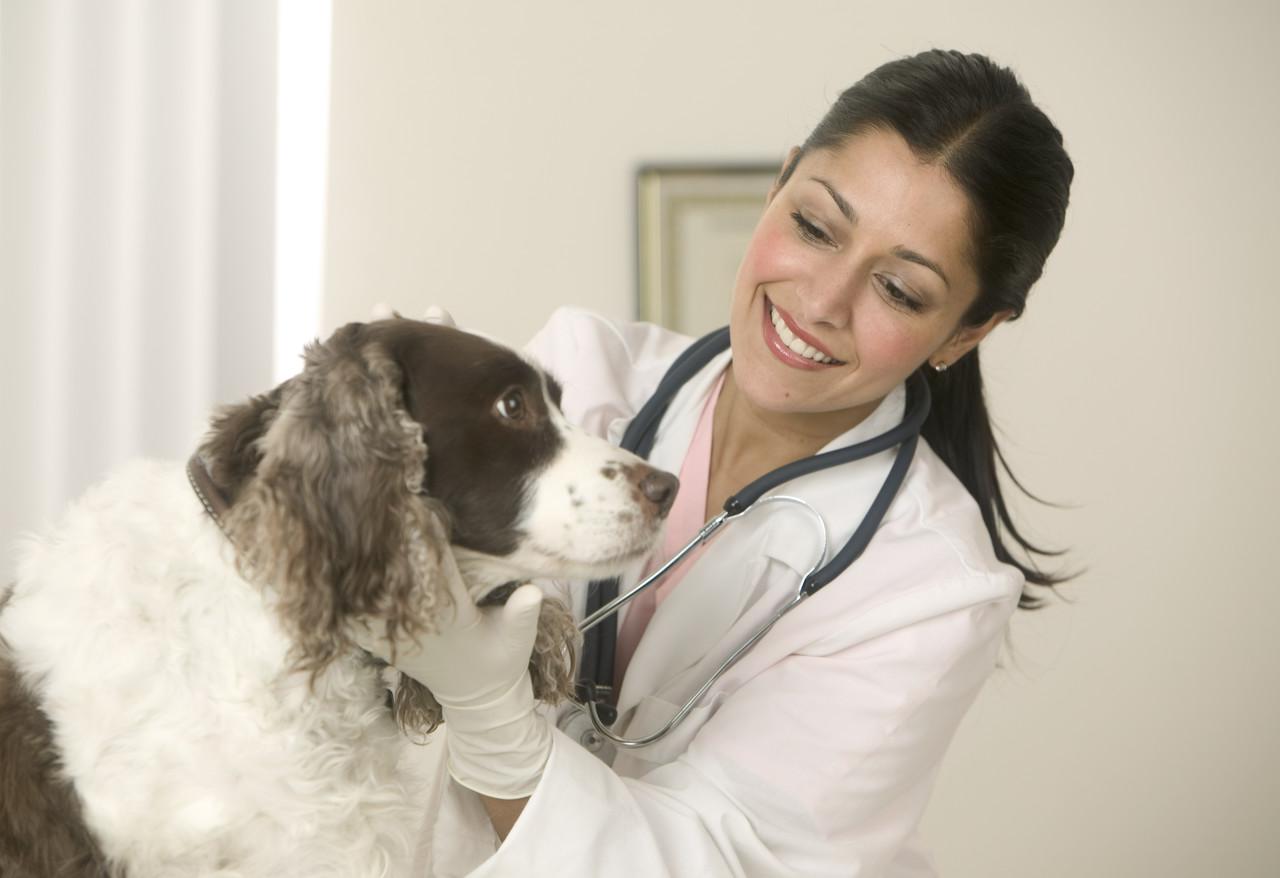
I will include a brief synopsis of general puppy medical care, but it is by no means complete. Also remember that every individual puppy and every breed and size of puppy is different and has different needs. Remember, too, that different puppy lifestyles require different vaccinations and medications. All puppies should start vaccinations and heartworm prevention, flea control, and dewormers at around 6 weeks of age. If you just got your puppy and he or she is older and has not had these things, that is fine, just start as soon as you can. Now, this may not be appropriate if your puppy is sick. Generally, the first visit will include a Bordetella vaccination which is good for 6 to 12 months, a Distemper, Parvovirus, Herpesvirus (or equivalent), and Parainfluenza vaccination (which will need to be boostered every 3-4 weeks until puppy is 12 to 16 weeks old), and a fecal examination and dewormer. All puppies should be dewormed at least 2 or 3 times, as all puppies get certain parasites from their mother. Fecal examinations are necessary to detect the parasites that are not routinely dewormed for, as certain parasites can make puppy very sick and some can even be passed to humans. In younger puppies, certain worms that are routinely dewormed for may or may not show up in the fecal examination, as the worms need to be a certain age to shed the eggs into the feces that are detected in these tests. Routine dewormers do not treat all possible parasites that your puppy could have (as this would likely take 3 or 4 different drugs because there are so many types of possible parasites), but they will treat the most common parasites that puppies have. If your puppy has had any vaccinations, treatments, or tests at a breeder or rescue or shelter before you got your puppy, some of these things may need to be repeated, so let your veterinarian determine what he or she feels is necessary and go with their recommendations as they know what is best for your puppy. Heartworm prevention and flea control can be started at 6 to 8 weeks of age for many products. Your puppy will not need a heartworm test unless he or she is 6 months old or older and has not started heartworm prevention yet. All these things are necessary for all puppies, even house puppies and house dogs. Once your puppy is at least 12 weeks, a Rabies vaccination may be administered as well (this is required by law in all states). Leptospirosis vaccinations should be done on puppies that are at least 11 weeks old that go to dog parks or live in apartment complexes or other areas where dogs have urinated. Leptospirosis is a bacteria that is transmitted in urine of dogs and wild animals and causes kidney and liver failure in dogs and people. This bacteria lives in water and on vegetation for long periods. If you dog goes places where dogs and wild animals have urinated or swims in ponds, then 2 vaccinations 2-3 weeks apart are necessary and then a yearly booster. There are other vaccinations and treatments that your puppy may need depending on you and your puppy’s life style, so ask your veterinarian for any recommendations. Most veterinarians or their staff are also happy to show you how to clean your puppy’s ears, brush puppy’s teeth, trim puppy’s nails and discuss basic obedience and house training- that is what they are there for, so do not forget to ask. You can help your veterinarian out by asking for an extended appointment if you are going to have a lot of questions- it is really worth it to ask whatever questions you have!
Spay and Neuter:
Finally, one of the most important health needs of puppies is to have them spayed or neutered at the appropriate time. Generally, your dog should be spayed or neutered around 4-5 months of age. Many years ago, veterinarians used to believe that puppies had to be older to be spayed and neutered for certain health benefits. Many studies have been done on this matter and there are no disadvantages to having your puppy spayed or neutered early. Some rescue organizations and shelters will spay or neuter as early as 8 weeks and this can be very safe. Actually, for larger breed puppies, there are advantages to spaying or neutering by 4 months because their hips can be examined and radiographed under anesthesia and procedures such as Juvenile Pubic Symphydesis can be done to prevent hip dysplasia. In addition, spaying a puppy before she comes into heat is an excellent prevention against mammary cancer. If the puppy is spayed after her second heat or after she has had puppies, there is no protective effect against mammary cancer because of the effect of female hormones on the mammary tissue. In addition to their increased risk of mammary cancer, intact female dogs are extremely prone to life threatening infections of the uterus called pyometra. Intact male dogs are prone to aggression, to marking their territory with urine, prostate infections, and testicular cancer. Anesthesia is much safer than it used to be. First bloodwork is done to make sure your puppy is healthy and to check for juvenile diabetes, liver and kidney problems, and anemia. Next, an IV catheter is placed so IV fluids can be delivered during the surgery to prevent decreased blood flow to your puppy’s organs while under anesthesia and give immediate access to a vein while your puppy is under anesthesia. Medications are given before surgery to prevent pain and to decrease you puppy’s need for anesthetic medications. Propofol is the safest drug to put your puppy under anesthesia because it does not cause liver or kidney problems and is metabolized very quickly. Then, your puppy is placed on gas anesthesia which is the safest form of anesthesia possible. An ECG, blood pressure monitor, monitors for oxygen and carbon dioxide and core body temperature with a trained nurse monitoring your puppy makes it extremely safe. To prevent pain, the area is numbed with a local anesthetic. A warm water blanket and thick towels keeps your puppy warm while under anesthesia. In addition, if your puppy has not been microchipped, it would be best to implant a microchip under your puppy’s skin when she or he is spayed or neutered so you can be contacted if your puppy is ever lost and someone finds him or her. All shelters, rescue groups and veterinarians have a scanner to check for your puppy’s microchip.
Diet:
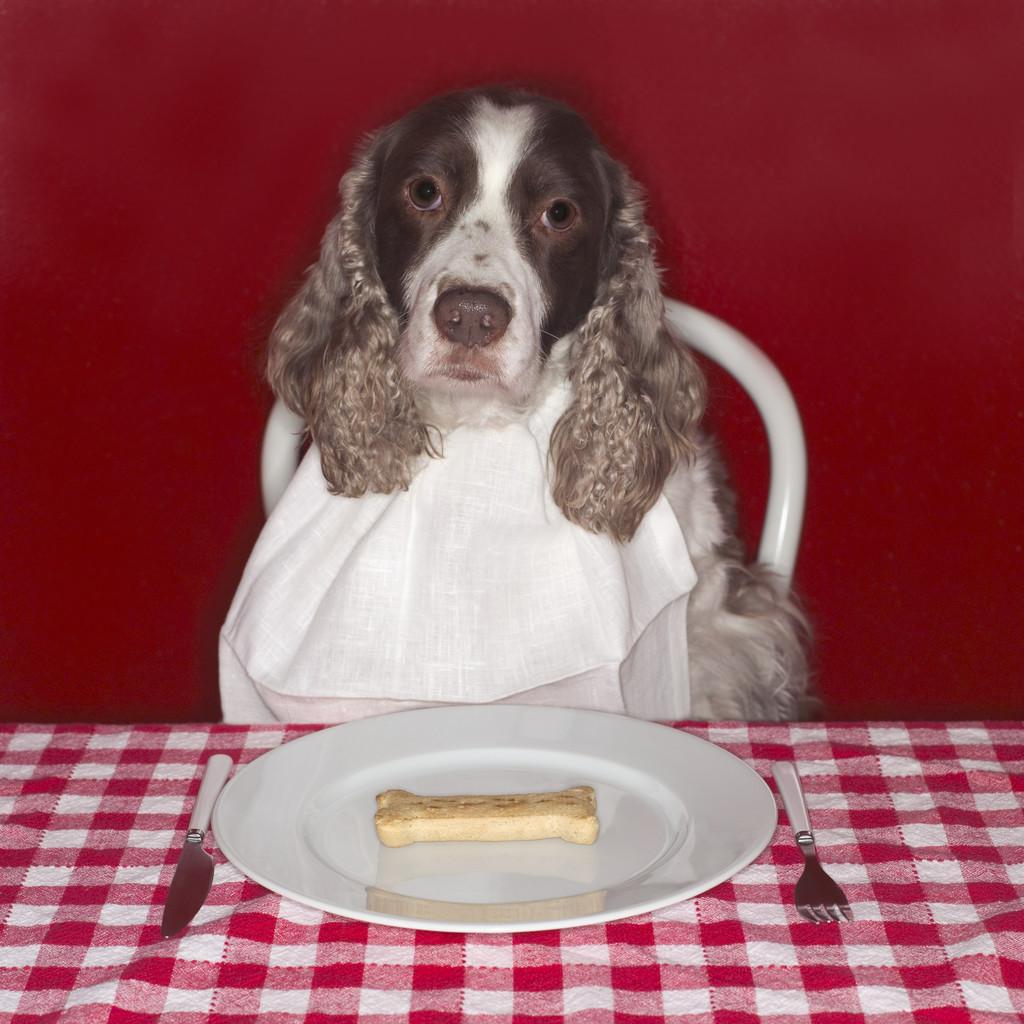
What do I feed puppy? First, start with whatever your puppy was eating before you got him or her to prevent stomach upset from a quick change over. Once your puppy has taken several days to adjust to his or her surroundings, you may start switching to the diet you have chosen slowly over 2 or 3 weeks, by gradually mixing the two diets. For most dogs, a premium diet of mostly dry food is best. A little canned is not necessary but is not harmful and is great to have your dog used to in case there is a medical condition that would limit your dog to a canned only diet. For a medium to large breed dog, a “large breed puppy” diet is best and helps prevent skeletal problems for the growing puppy. A small breed dog may have a “small breed puppy” food or just a regular premium puppy food. The small breed puppy foods generally are not a different formulation, but are just in smaller pieces if the puppy has trouble chewing the bigger pieces. Do not supplement any vitamins, especially calcium, unless directed by your veterinarian. Over supplementation of vitamins, especially calcium, has been shown to cause certain skeletal problems, especially in medium to large breed dogs. Premium diets are more expensive because more research has gone into their ingredients and the formulation to keep your puppy living longer and happier. Everyone has heard of at least one dog that has lived to a ripe old age on cheap dog food, but imagine how much longer that dog would have lived on a premium diet! Premium diets can extend both the quality and quantity of life. Remember that a premium diet can extend your puppy’s life by 22 months based on recent studies. There are companies that advocate entire life stage diets that are supposed to be appropriate for puppies, adults, and seniors. However, the need for protein, calcium, and vitamins and minerals varies between puppies, adults and seniors. Feeding the same diet during all these life stages is not only inappropriate but can be harmful. Premium diets are those diets that have good quality, consistent ingredients and the source of those ingredients will not vary from bag to bag. While everyone is concerned about preservatives, there are no studies to show preservatives are harmful. However, fungus, such as aflatoxin, which can be prevented by preservatives can cause liver failure and death and has been found in certain dog foods. This mold cannot be seen (the food does not look moldy) and it causes presence of microscopic toxins in the food that are very toxic. For this reason, food should be purchases frequently and should be kept in a dry, air tight container. Finally, a puppy may be gradually changed to an adult dog diet at about 8-10 months of age. This may be done sooner if your puppy is gaining too much weight.
How much do I feed? Generally, the bag of food will tell you to overfeed your dog or puppy. Dogs need very little food compared to puppies. While your puppy is growing, your puppy will need large amounts of food. However, do not feed your puppy until your puppy is full! Most puppies can eat and eat and eat, just because they like food (some of us people do that from time to time too!). Feed your puppy several small meals to keep your puppy form being hungry (2 to 3 meals are usually plenty). Your puppy should be a little thin, but you should not be able to easily see your puppy’s ribs. However, when you stroke your puppy, you should be able to easily feel the ribs and your puppy should have a definite waist. If you keep your puppy looking like he or she should, you are feeding just the right amount. Generally an adult dog needs 1/4 cup per 10 pounds twice daily, but a puppy may need 2 to 3 times this amount until the puppy is no longer growing (around 8-12 months of age, depending on the dog). Large and medium breed puppies and full grown dogs do best eating twice daily to prevent them from being too hungry. Toy breed puppies should be fed 3-4 times daily until they are 4-6 months of age because they are prone to low blood sugar which can cause seizures. If they are extremely tiny, they may even need small amounts of food available all the time.
How about treats? Occasional treats, especially for training are fine. Remember, though, that treats are intended to be treats and are not nutritionally balanced for your dog and are usually higher in fat and salt than the normal diet. Treats should encompass less than 10% of your puppy’s normal diet. For training, small pieces of soft treats that your puppy can eat quickly are best (the idea is that your puppy should not forget what it did right by the time it is done with the treat). For fun or for putting your puppy in his or her crate, hard premium puppy biscuits or chews, a Kong stuffed with frozen canned puppy food are best, or a buster cube filled with kibbles of your puppy’s food is perfect. People food is ok for very small training treats, but never feed anything fatty or anything with bones. In addition, certain foods are toxic such as grapes, raisins, and onions.
What are appropriate chews?
If your puppy or dog chews the chew quickly and eats it all within 5 minutes, this is not appropriate. Even the most edible chew is not easily digestible if swallowed whole or mostly whole. Very hard items, like leg bones, cow hooves, and certain very hard chews can break puppies’ and dogs’ teeth. Bones from your butcher can break and splinter into pieces and cause damage to the intestines (and passing a stool full of splinters of bones is no picnic, either). If your puppy has a sensitive stomach or allergies, try one item at a time every couple days or weeks to see what works best or ask your veterinarian.
Basic Obedience:
The Leash and Collar:
If your puppy is not used to a leash and collar, start slowly. Start with just a collar for short periods. Until your puppy is used to it, just leave it on short periods while you are home (in case the collar gets stuck under a leg, etc). Take the collar off whenever the puppy is left alone in the crate to prevent the collar from getting stuck on the crate. Once puppy is used to the collar, you can start with a leash. You may attach the leash to the collar or use a gentle leader head collar or harness, or for some breeds, a regular harness. A normal harness is not ideal for many dogs because harnesses are made for pulling (that is why sled dogs wear them). They may be fine for certain small dogs or certain breeds or dogs with neck problems (especially Dachsunds, for example). There are special no-pull harnesses, such as the gentle leader harness, too (ask your veterinarian or trainer for advise). Choke collars are not recommended in most cases as they can be misused and used incorrectly and can damage your dog’s trachea. Once you select what to hook your leash too, let your puppy get used to the item gradually over short periods (encouragement, distraction, and treats may help too). Once the puppy is used to whatever you are hooking the leash too, it is time to get used to the leash. Start with short periods with the leash while you are not directing the puppy where to walk, just let puppy walk where he or she wants. You may hold the end of leash, but at first do not put any tension on it. You may start inside the house or outside or some of both. Start with very short periods and work your way up. Remember if your puppy is stressed, you have taken the training session too long and make it shorter next time. Once your puppy is used to the leash, gradually work up to directing the puppy where you want to go. If it is not going well, you may have selected the wrong type of collar or harness and ask your veterinarian or trainer for advice. Never, ever, take any dog or puppy outside (unless in a fenced in yard or pen) without some type of leash- even the most well trained dog could suddenly break training for that rare cat or squirrel.
Puppy Class:
Puppy classes are wonderful. Your puppy generally will need to be vaccinated first and will need to be of a certain age. Basic obedience and socialization in a controlled environment are what puppy classes are all about. Remember to practice both socialization and obedience at home, too. Remember, if your puppy is in a situation where he or she is stressed, then it is not right for your puppy. In class or at the park, be very weary of any situation where your puppy is off the leash with several other puppies or dogs. It is real easy for your puppy to get into a stressful situation this way and it can literally and figuratively scar your puppy for life if the trainer allows your puppy to get bitten by another puppy (both physically and emotionally). However, a good puppy class will not force you or your puppy to do anything that makes either one of you uncomfortable (if it does talk to your trainer). All puppies should have some type of formal training. Remember that, even if you have trained puppies before, all puppies train differently and that the structured socialization is as important (if not more important) than the actual obedience. Also remember that training the owner to train that particular puppy is important too, so a drop off training program only trains half of the training pair (the puppy may respond to the trainer but not the owner!). Also, be wary of any puppy class where they do not check to make sure you puppy has had all his or her vaccinations and dewormers and fecal samples. Even if your puppy is vaccinated, there is still a chance of getting sick by being near a sick, unvaccinated puppy. Dr. Goetz has taken her dog, Yogi, to Teamworks dog training and has seen first hand what a wonderful job they do.
Sitting:
Sitting is the first step. Once your puppy can sit, your puppy can learn many things: puppy can learn sit, stay, puppy can learn down, puppy can learn to sit to wait to be fed or to be let outside or to get attention (rather than jumping on the owner). First, take a small training treat (a tiny piece of something really yummy that your puppy gets only for training) and move it slowly over your puppy’s head to just behind your puppy’s head. Your puppy should look up at the treat and should naturally sit. Try it at first at home when things are quiet and there are not a lot of distractions. Puppy should be a little hungry, but not ravenous, should not be too tired, or overexcited, and should have just been out to potty. If your puppy does not sit, you may gently help your puppy to sit, or give your puppy a little break or a little attention and try it again. The idea is not to continually repeat the command over and over in a row until the puppy does it. You want your puppy to learn to respond to “sit”, not “sit, sit, sit, sit, sit, sit..” (you get the idea).
Grooming:
General grooming for all dogs should consist of brushing, nail trimming, bathing, ear cleaning, and teeth brushing. It is good to start puppies with daily short brushing sessions to get them used to it. Once they are several months old and used to it, short haired dogs can be brushed less frequently, but medium to long haired dogs may have to be brushed daily (unless they are clipped short by the groomer frequently). Puppies’ nails grow quickly and need to be trimmed at least every two weeks. It may be scary at first, but it is real simple to learn to do and it will be easier for your puppy if you can teach him or her to tolerate nail trimming and less expensive for you also. As your puppy grows into a dog, nail trimming frequency depends on the dog and what type of material he or she walks on and how much he or she is walked. Some dogs still need nail trimming every couple weeks, but most will need nail trims monthly. Frequency of bathing depends on the type of dog and owner and whether the dog has skin conditions or not. Start with a gentle tearless puppy or baby shampoo and a puppy or baby crème rinse. Tearless products are easier for wiggly puppies. A gentle oatmeal shampoo and crème rinse is fine, too, but if it is not tearless, make sure to keep it out of puppy’s eyes. If you use a gentle shampoo and a crème rinse (to prevent drying out), you may bathe your puppy as often as you would like. For dogs with skin allergies, veterinary dermatologists often recommend twice weekly bathing, so overbathing is not harmful. For normal puppies and dogs, the general rule is to bathe the dog or puppy when they are dirty or smelly. If you notice dry, flaky fur or any types of skin irritation or bumps, see your veterinarian for advice. For ear cleaning, ears should be cleaned with a gentle ear cleaner for dogs (ask your veterinarian for recommendations- there are so many kinds). Cleaning ears weekly and after bathing is best. To clean ears, fill the ear with the solution, massage the ear, and then wipe out with a tissue, cotton ball, or gauze. Because the ear canal of dogs is curved and is very small, you cannot damage the ear drum unless you use a q-tip. Generally, you should not get out much debris when you clean the ears and it should not be painful- if you notice these things, call your veterinarian. Brushing your puppy’s teeth is easy and is very helpful to prevent dental disease. Humans brush their teeth twice daily and have them cleaned every six months. Dogs need anesthesia to have their teeth cleaned because they will not sit in a dental chair and open their mouth to have their teeth cleaned, so we would like to clean their teeth less often than for people. Once your puppy’s mouth is easy to work with, brushing the puppy’s teeth once or twice daily is ideal. For right now, you have time to get the puppy used to it because the adult teeth are not in completely until your puppy is six months. To brush the teeth, you do not need to brush the insides of the teeth, only the outsides, but be careful to get those back teeth. You may use a finger brush or a dog or person tooth brush or even a piece of gauze. The best toothpaste is the CET Toothpaste because it has shown to be effective. Some breeds require monthly trips to the groomers to be clipped. It sounds expensive, but it is very important. Not only is dirty, matted fur very smelly, but bacteria grow inside that hair and can cause skin infections that can be harmful and painful to your dog. In addition, many breeds that require professional grooming also need to have their ears plucked to have the hair removed. This is important because the extra hair keeps air from getting down in their ears and promotes accumulation of moisture which makes infection more likely.
Biting and Chewing:
The first thing to know about biting and chewing is that teeth on human skin is never, never acceptable for any reason. Young little puppies that mouth on people may be cute, but it gets really uncute when they grow up and have bigger teeth! If your puppy is mouthing on a person, a sharp, loud, high pitched “ouch” is most effective to stop this. This is what puppies in the litter do too (they let out a loud, high pitched cry). Soon as the puppy stops, praise the puppy and quickly give the puppy something appropriate to chew on and if the puppy chews on that, praise the puppy again. The core to training a puppy to chew on the right things is repetition. Sometimes puppies get the “puppy crazies” and they are just all over, biting everything. This is a good time for a short time-out in the crate. Do not yell at the puppy, as the puppy is like an energetic toddler that cannot control itself and means no harm. Just put puppy in the crate with an appropriate chew until puppy relaxes, then let puppy out (usually it takes only 10-15 minutes). Chewing on furniture is best solved by just watching puppy closely. Like housetraining, you can only discipline when caught in the act. A loud, short “no” and praising when the puppy stops, giving the puppy something appropriate to chew on, and praising again when puppy chews it is best. By now you should get the idea that praise is the key to training. Like children, telling puppy when he or she is doing right is the most effective tool to train. Physical punishment just leads to resentment and aggression.